Small businesses are often targets for various scams due to perceived vulnerabilities and limited resources. Here are some common scams that target small businesses and strategies to avoid them:
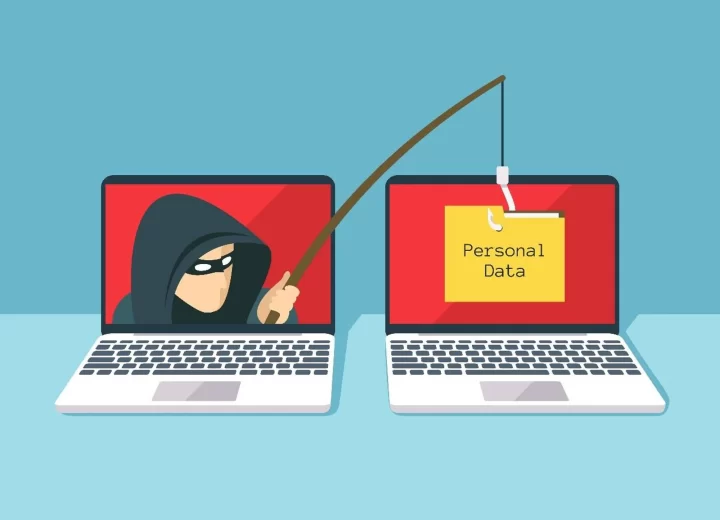
1. Phishing Scams
- Description: Fraudsters send emails or messages that appear to be from legitimate sources to trick employees into providing sensitive information or clicking on malicious links.
- How to Avoid:
- Educate employees about phishing tactics and how to recognize suspicious emails.
- Implement multi-factor authentication (MFA) for accessing sensitive systems.
- Use email filtering tools to detect and block phishing attempts.
2. Invoice Scams
- Description: Scammers send fake invoices for products or services that were never ordered or delivered, hoping that the business will pay without verifying.
- How to Avoid:
- Establish a verification process for all invoices.
- Train staff to recognize fake invoices and to confirm legitimacy with the purported sender.
- Maintain a list of regular vendors and cross-check invoices against it.
3. Business Email Compromise (BEC)
- Description: Attackers hack into a company’s email account and use it to trick employees or business partners into making unauthorized wire transfers or disclosing sensitive information.
- How to Avoid:
- Use strong, unique passwords and change them regularly.
- Enable MFA for all business email accounts.
- Verify any request for sensitive information or fund transfers through a secondary communication channel.
4. Tech Support Scams
- Description: Fraudsters pose as tech support representatives, claiming that there are issues with the company’s computers or networks, and then charge for unnecessary or fake services.
- How to Avoid:
- Train employees to recognize legitimate tech support contacts and procedures.
- Never grant remote access to unknown or unsolicited tech support providers.
- Verify tech support claims through known, official company channels before taking action.
5. Charity Scams
- Description: Scammers pose as representatives of charities and solicit donations, often following natural disasters or during the holiday season.
- How to Avoid:
- Verify the legitimacy of the charity through official channels and organizations like Charity Navigator.
- Implement a policy for charitable donations that includes verification steps.
- Encourage employees to research charities before donating.
6. Office Supply Scams
- Description: Fraudsters call or email businesses offering office supplies at discounted prices, often delivering low-quality products or nothing at all after payment.
- How to Avoid:
- Purchase supplies only from reputable vendors with whom the business has an established relationship.
- Verify offers through official contact information found on the vendor’s website.
- Train staff to recognize and report suspicious sales calls or emails.
7. Directory Scams
- Description: Scammers claim to offer advertising space in directories or publications and charge for listings that either do not exist or have no value.
- How to Avoid:
- Research any advertising opportunities before committing funds.
- Verify the legitimacy of the directory or publication through independent sources.
- Establish a clear process for approving advertising expenditures.
8. Ransomware Attacks
- Description: Malware that encrypts a company’s data, rendering it inaccessible until a ransom is paid.
- How to Avoid:
- Regularly back up important data and store it securely offline.
- Implement robust cybersecurity measures, including antivirus software and firewalls.
- Train employees on safe internet practices and how to recognize suspicious downloads and links.
9. Overpayment Scams
- Description: Scammers overpay for a product or service with a stolen credit card or fake check, then request the excess funds to be returned, leaving the business out of pocket once the original payment is flagged as fraudulent.
- How to Avoid:
- Verify the legitimacy of large or unusual payments before processing.
- Wait for checks to fully clear before refunding any overpayments.
- Use secure payment methods and verify the identity of new clients or customers.
By staying informed about these common scams and implementing robust security measures and training programs, small businesses can significantly reduce their risk of falling victim to fraudulent schemes. Vigilance and proactive prevention are key to safeguarding business assets and reputation.