Identity theft is a serious crime that can have devastating consequences for individuals and businesses alike. Understanding its impact and knowing how to prevent it are crucial steps in safeguarding your personal and financial information.
The Impact of Identity Theft
- Financial Loss
- Unauthorized transactions, drained bank accounts, and fraudulent loans can lead to significant financial losses for victims.
- Credit Damage
- Identity theft can severely damage your credit score, making it difficult to obtain loans, mortgages, or credit cards in the future.
- Legal Issues
- Victims may face legal challenges, such as dealing with fraudulent debts and clearing their names from criminal records wrongly attributed to them.
- Emotional Distress
- The stress and anxiety caused by identity theft can have a lasting emotional impact, affecting your mental health and overall well-being.
- Reputation Damage
- Businesses can suffer reputational damage if they fail to protect their customers’ sensitive information, leading to loss of trust and potential legal consequences.
How to Prevent Identity Theft
- Use Strong, Unique Passwords
- Create complex passwords for your accounts and avoid using the same password across multiple sites. Consider using a password manager to keep track of them.
- Enable Multi-Factor Authentication (MFA)
- Add an extra layer of security by enabling MFA on your accounts, requiring a second form of verification in addition to your password.
- Monitor Your Financial Statements
- Regularly review bank and credit card statements for unauthorized transactions. Report any suspicious activity immediately.
- Shred Sensitive Documents
- Shred documents containing personal information, such as bank statements, medical records, and bills, before disposing of them.
- Be Cautious with Personal Information
- Avoid sharing personal information, such as your Social Security number, over the phone or online unless you are certain of the recipient’s legitimacy.
- Secure Your Devices
- Use antivirus software, keep your operating system and applications up to date, and enable firewalls to protect against malware and hacking attempts.
- Monitor Your Credit Report
- Regularly check your credit report for any unauthorized accounts or activities. You can get a free credit report annually from each of the three major credit bureaus.
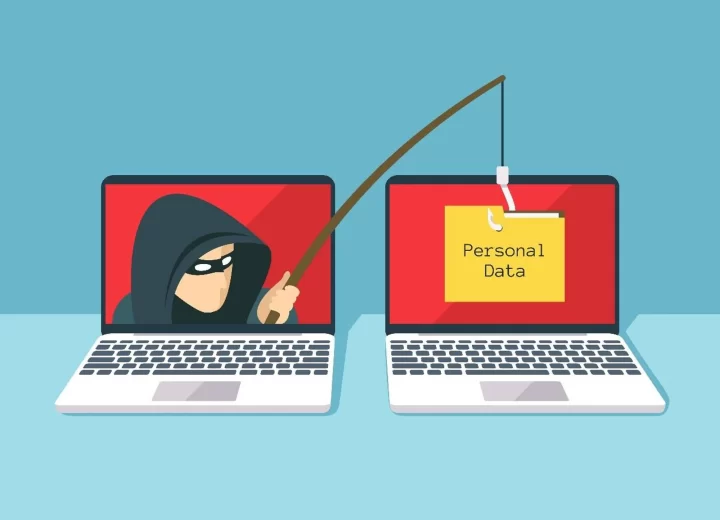
- Be Aware of Phishing Scams
- Be cautious of emails, texts, or phone calls that ask for personal information. Verify the source before responding to any requests.
- Freeze Your Credit
- Consider placing a credit freeze on your credit files to prevent new accounts from being opened in your name without your consent.
- Educate Yourself and Others
- Stay informed about the latest identity theft tactics and share this knowledge with family, friends, and colleagues to help them protect themselves.
By taking these preventive measures, you can reduce the risk of identity theft and protect your personal and financial information from criminals. Stay vigilant and proactive to safeguard your identity and maintain peace of mind.